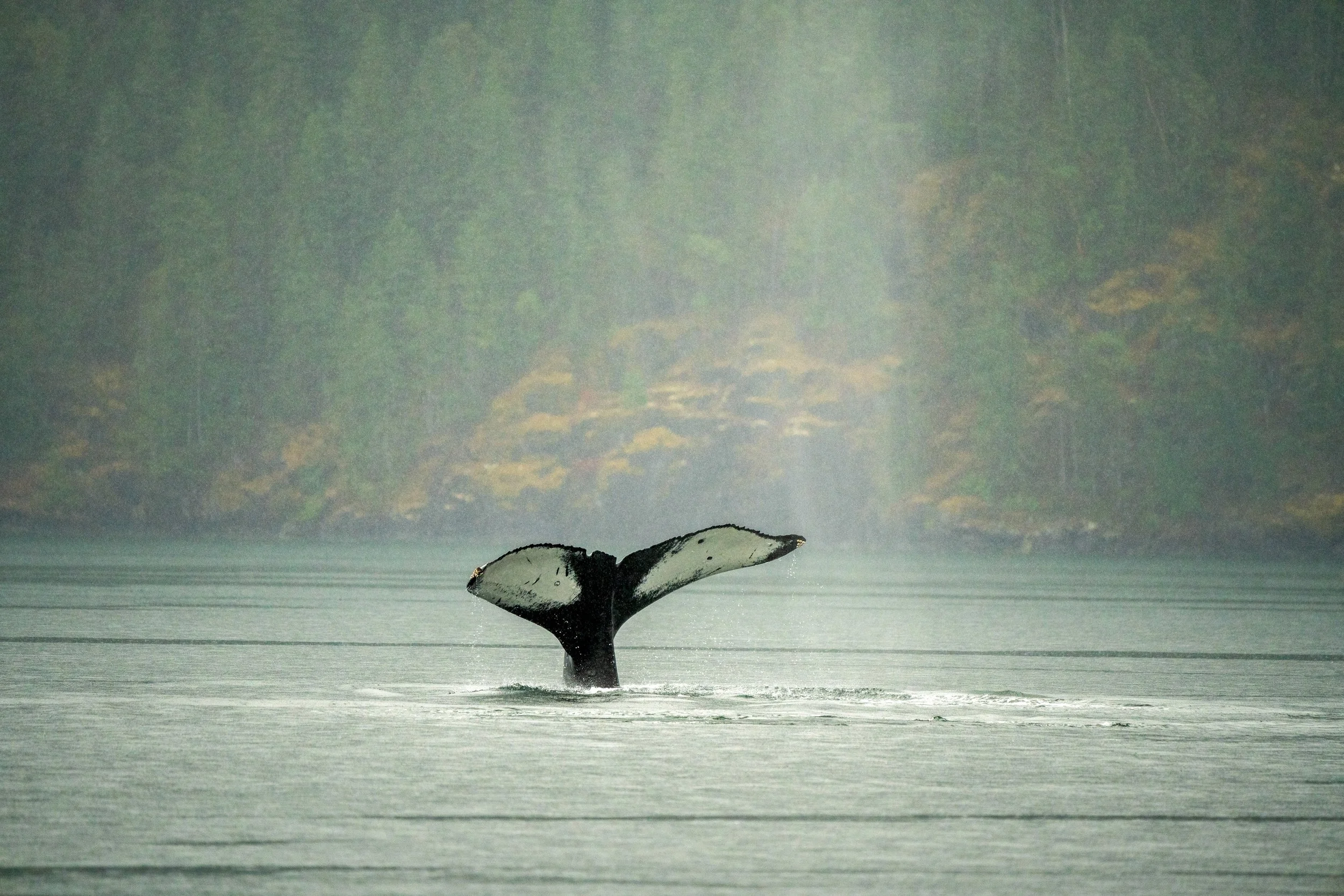
Humpback Fingerprint The underside of a Humpback Whale's tail, or fluke, is as unique as a human fingerprint. The distinct patterns of white and black pigment, along with the jagged trailing edges, allow researchers and photographers to identify and track individual whales as they migrate thousands of miles. This "tail-up" dive signals a deep descent into the ocean depths to feed on krill and small schooling fish.
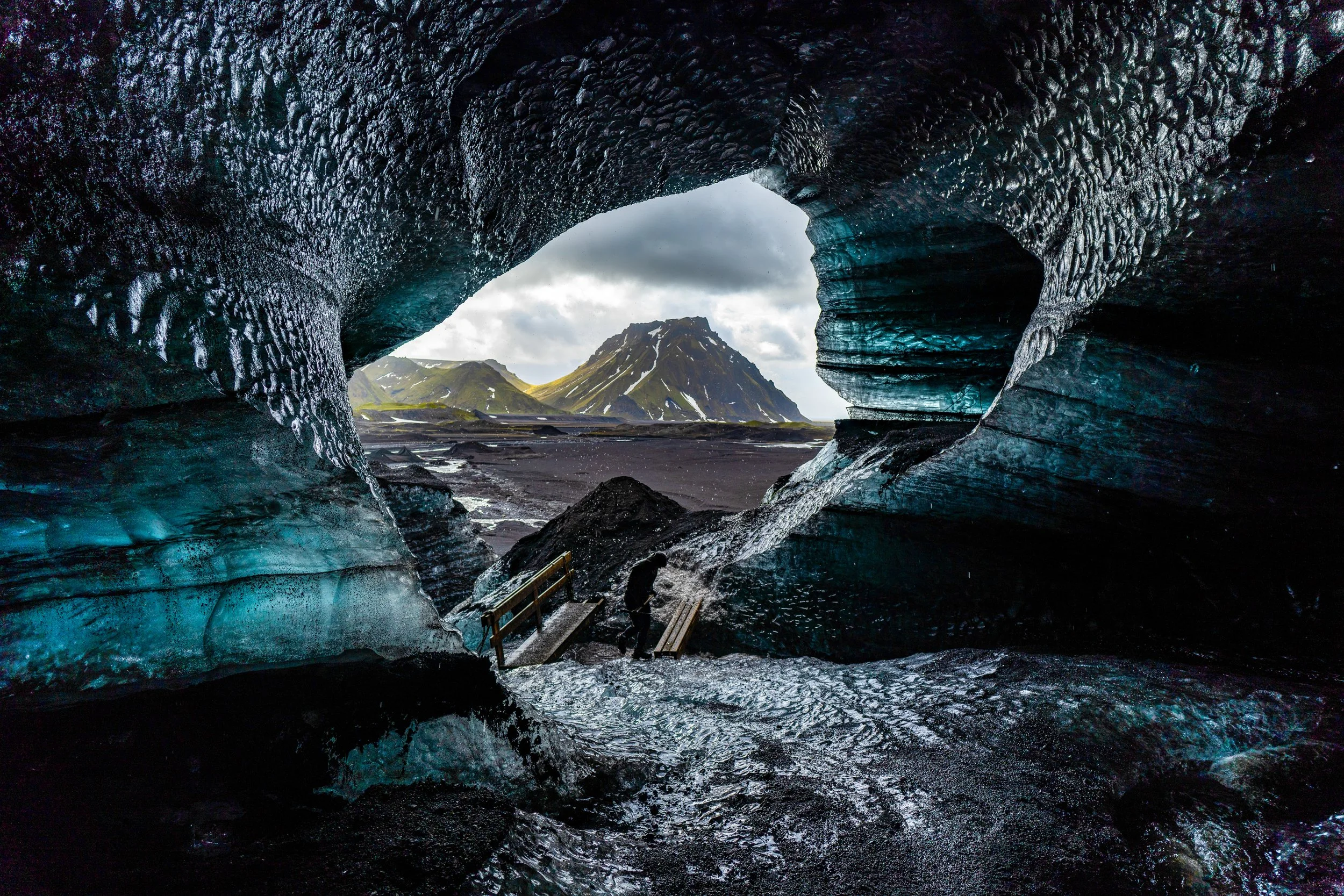
A Frozen Portal A view from within the crystalline heart of an Icelandic glacier. These ice caves are formed by meltwater carving intricate tunnels through the ice, creating natural skylights that illuminate the deep, compressed blue of the glacier. This shot uses the jagged, scalloped walls of the cave to frame the volcanic peaks outside, capturing a landscape that is constantly shifting and reshaping itself with the seasons.
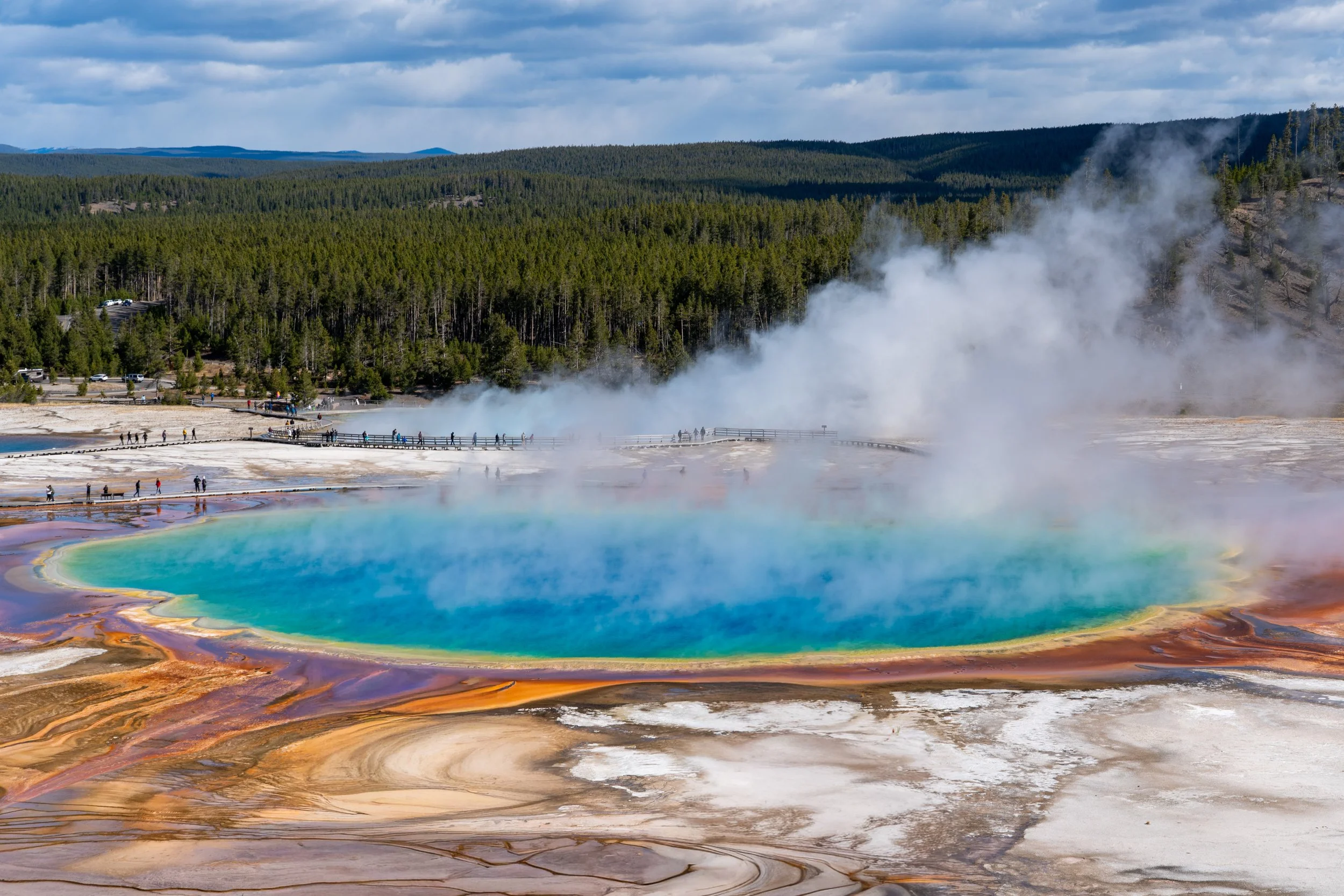
A Living Color Spectrum A overhead view of Grand Prismatic Spring, the largest hot spring in the United States. The vivid colors are not just a geological fluke—they are alive. Each ring of color represents a different temperature zone, home to billions of "extremophile" bacteria.
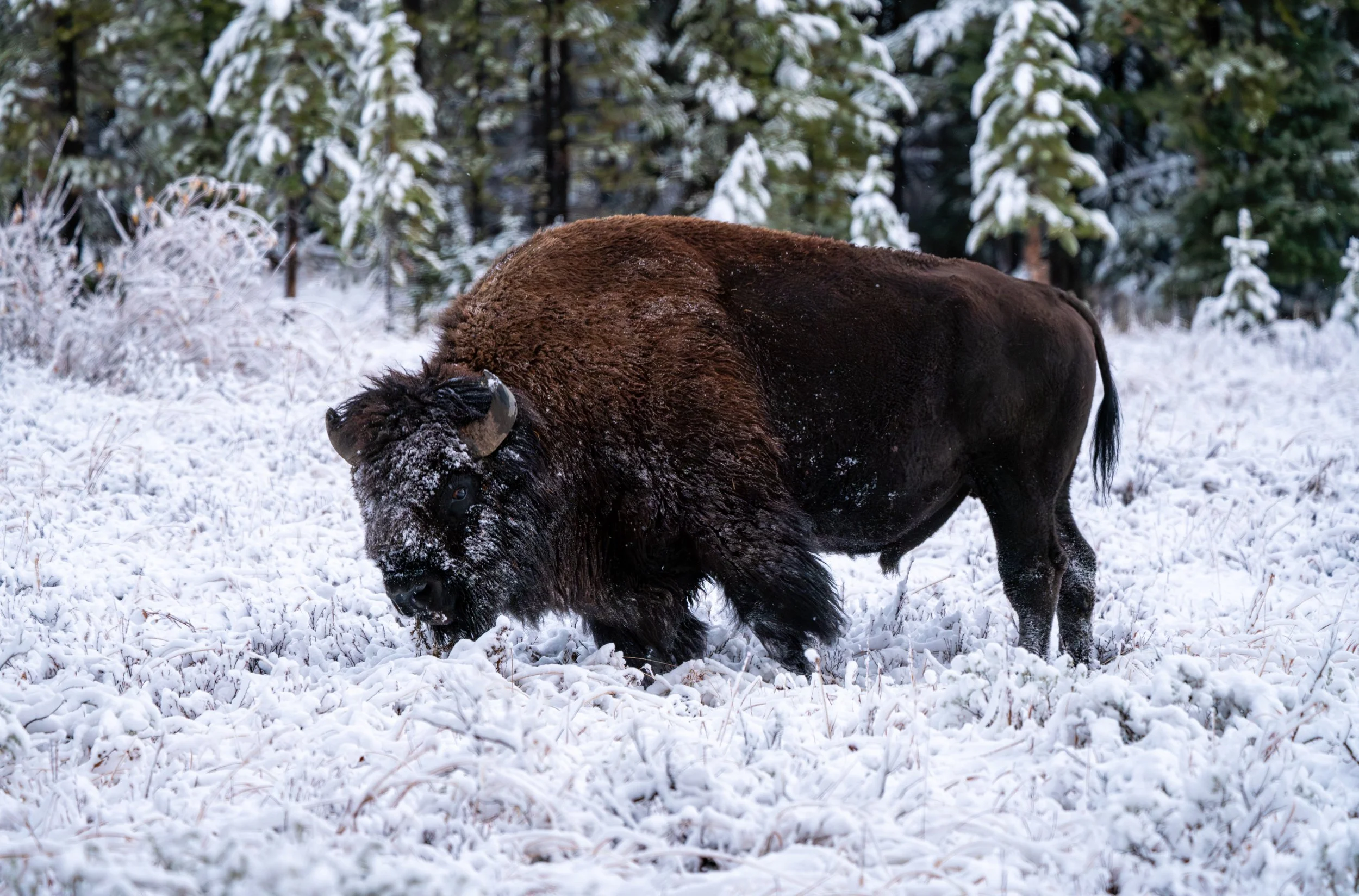
Bison In the Snow Bison are evolutionary masterpieces of winter survival. Their massive shoulder humps are actually anchors for powerful neck muscles, allowing them to use their heads like a giant swinging plow to clear snow up to four feet deep. This "body plowing" doesn't just help the bison; it creates "highways" in the deep snow that other wildlife, like pronghorn and elk, use to navigate and find food during the harshest months.
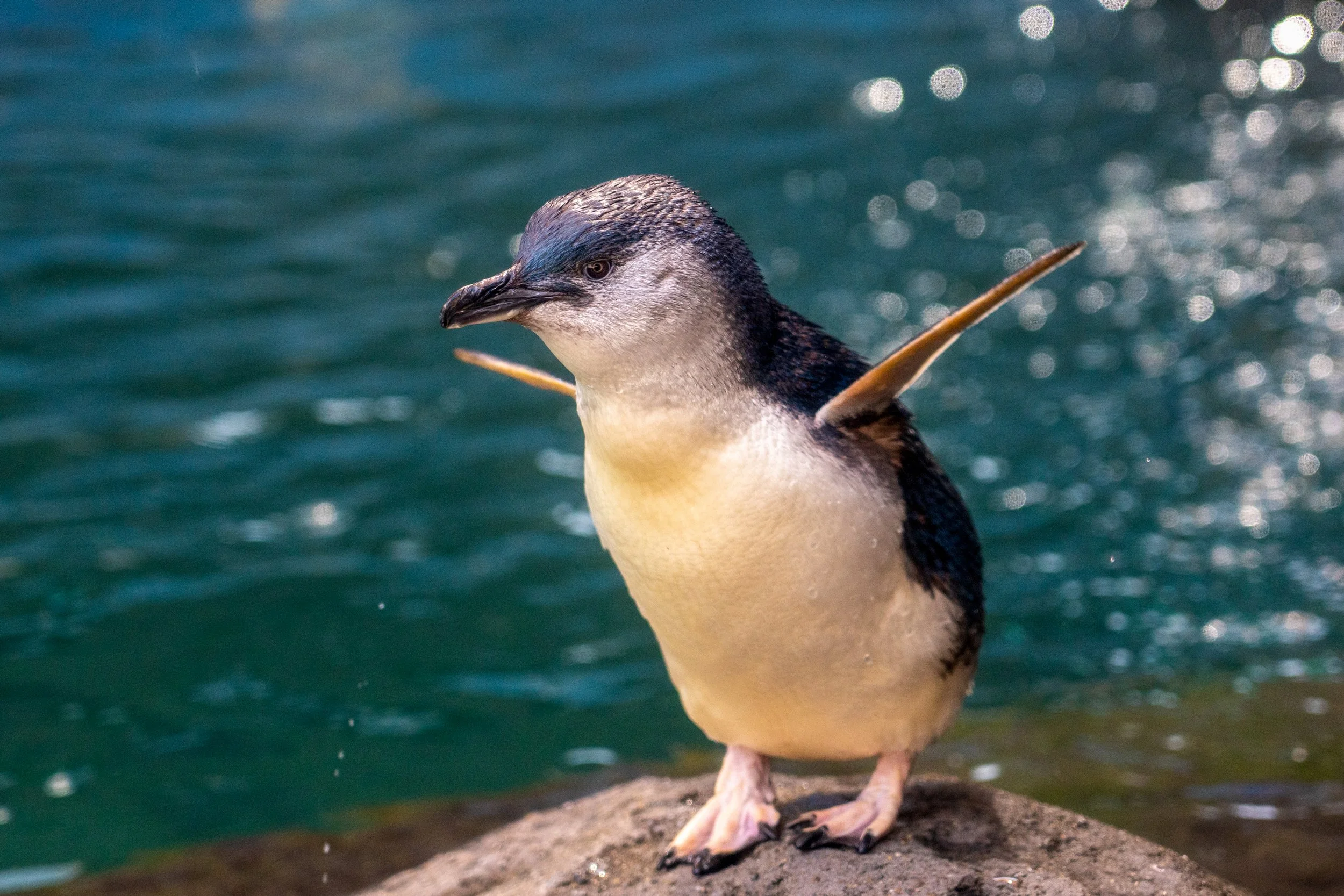
Blue Penguin Known in Māori as Kororā, these diminutive birds are native to the coasts of New Zealand and southern Australia. Unlike their larger cousins, Little Blue Penguins are nocturnal on land, returning to their burrows under the cover of darkness to avoid gulls and other predators. This portrait highlights the iridescent "indigo" sheen of their plumage, a rare sight in the midday sun.
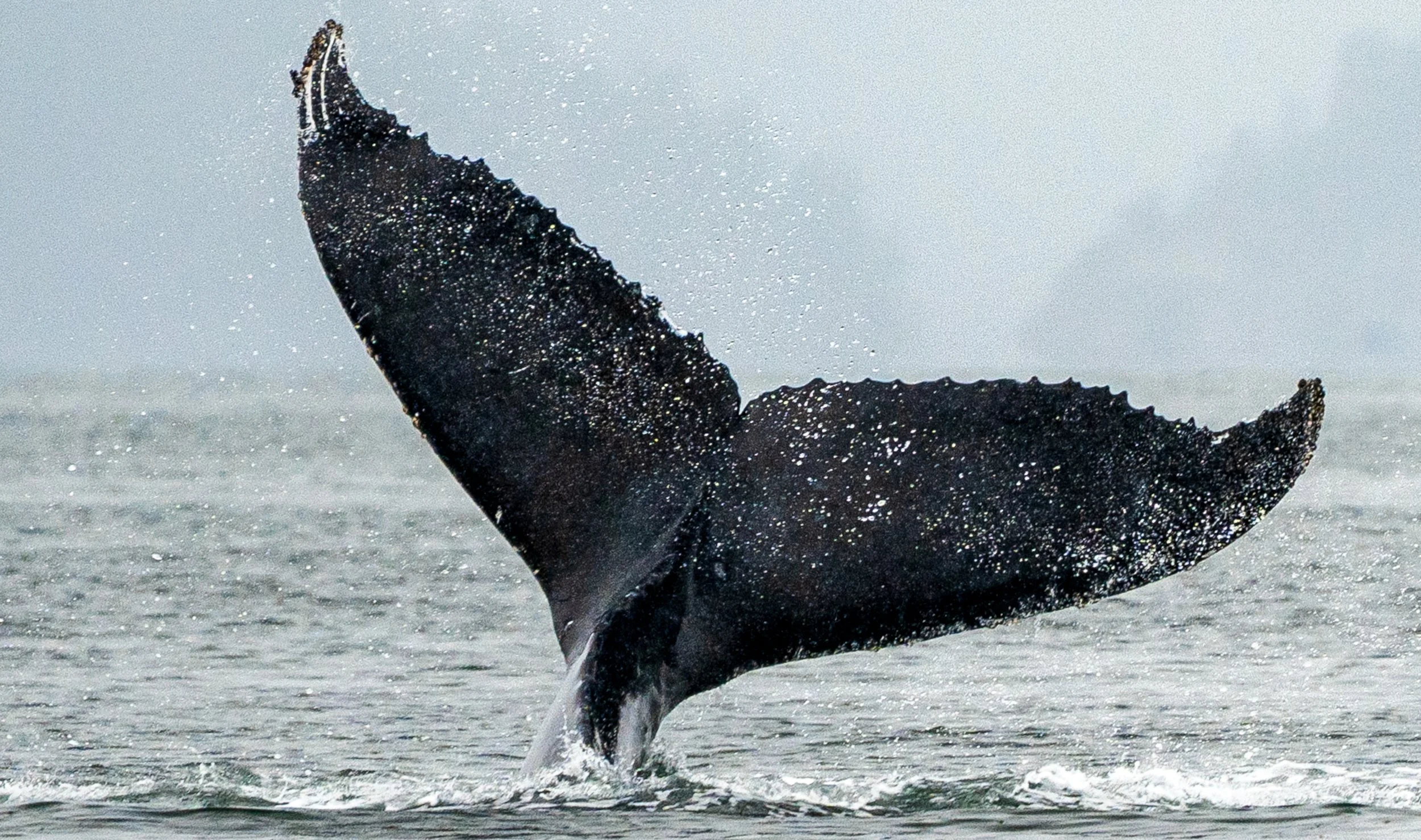
Ocean Giant Known for their complex "songs" and acrobatic breaches, Humpback Whales are the ultimate ambassadors of the ocean. Despite their massive size—growing up to 52 feet long—they are incredibly graceful. This shot captures the raw power of a species that was once pushed to the brink of extinction but has since become a global symbol of successful marine conservation.
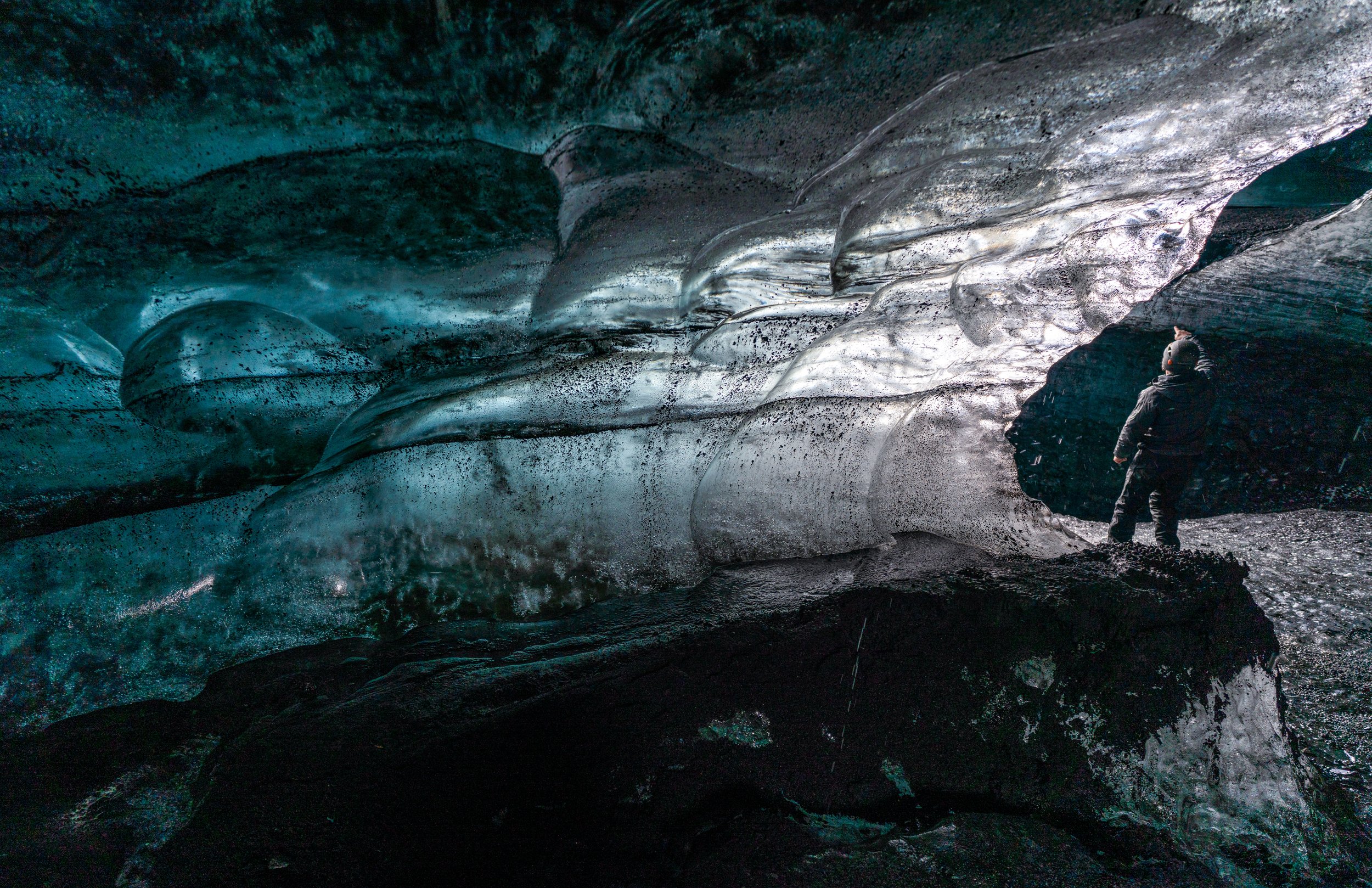
Standing in the Deep Blue A lone explorer provides a sense of scale inside a massive ice cave beneath an Icelandic glacier. The scalloped walls are carved by air and water over centuries, creating a textured "golf ball" pattern that reflects light in every direction. This shot captures the humbling experience of standing beneath millions of tons of ancient, compressed ice.
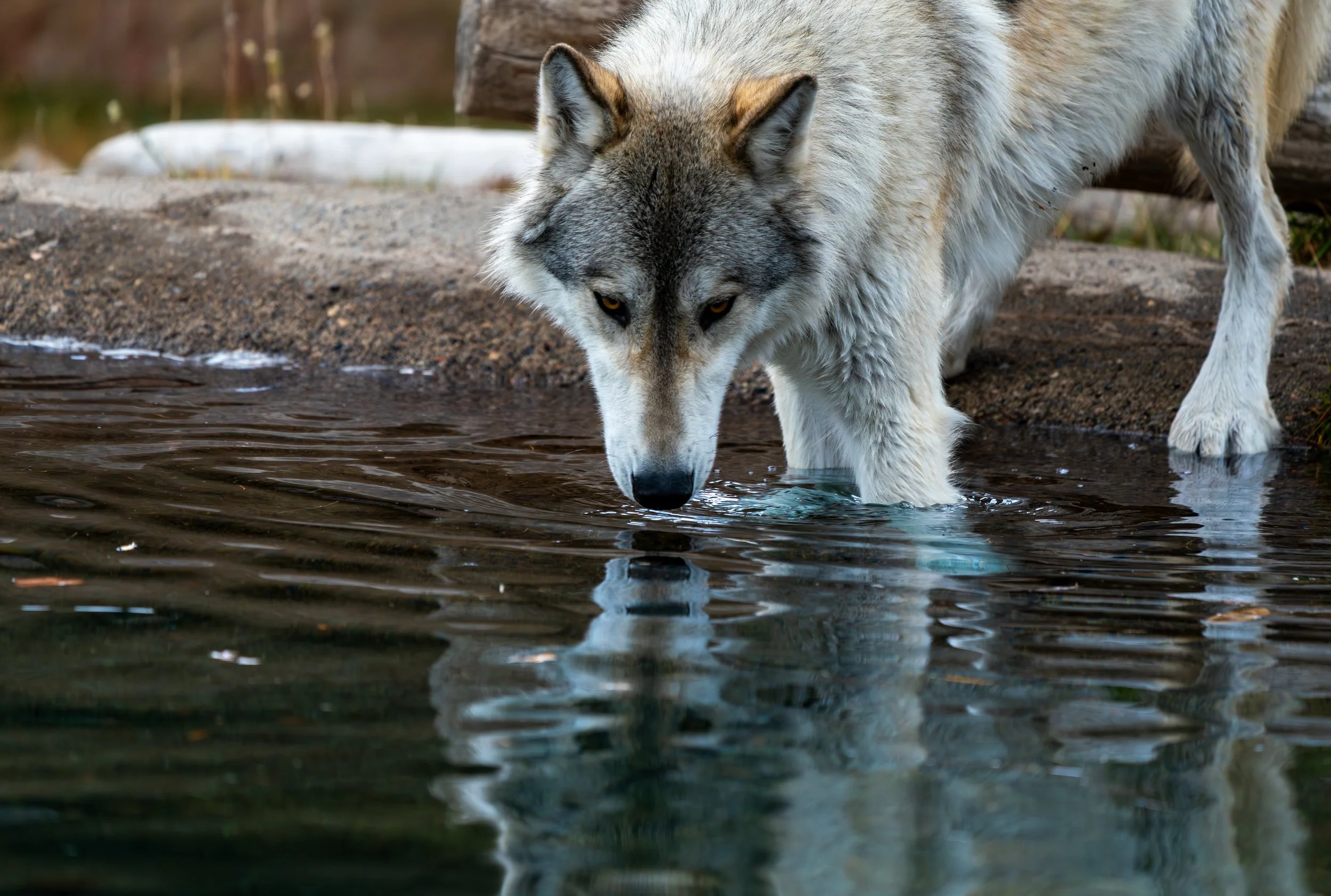
A Thirty Wanderer A Grey Wolf pauses for a drink in the crisp waters of the Lamar Valley. While they are often seen as tireless hunters covering up to 30 miles a day, these quiet, solitary moments are vital for survival. This shot captures the intense focus and keen senses of a wolf even during a brief rest, reflecting the wild spirit of the Greater Yellowstone Ecosystem.
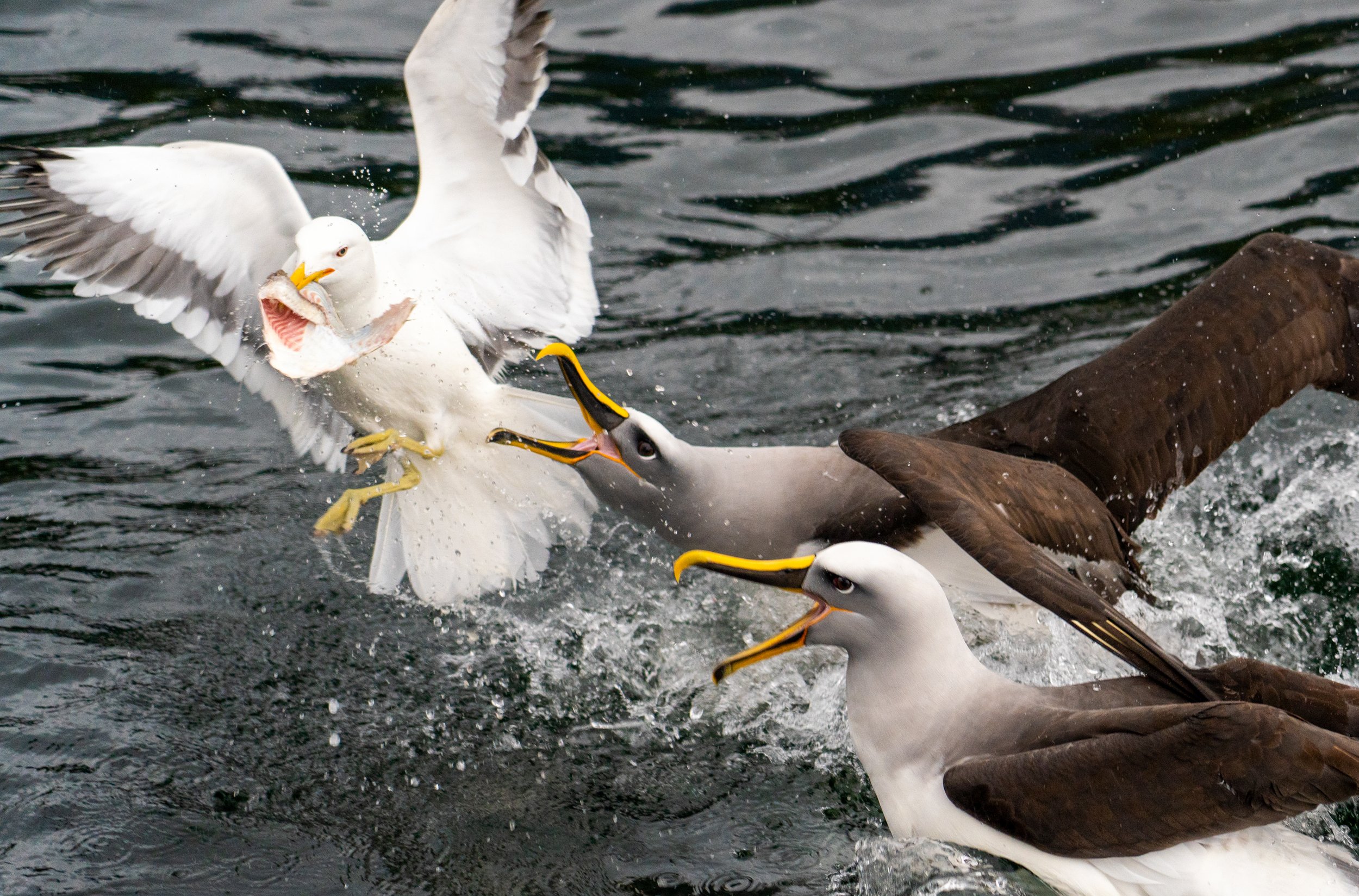
Albatross Thwarted A daring Pacific Gull takes advantage of the much bigger and stronger Albatross and steals their meal.
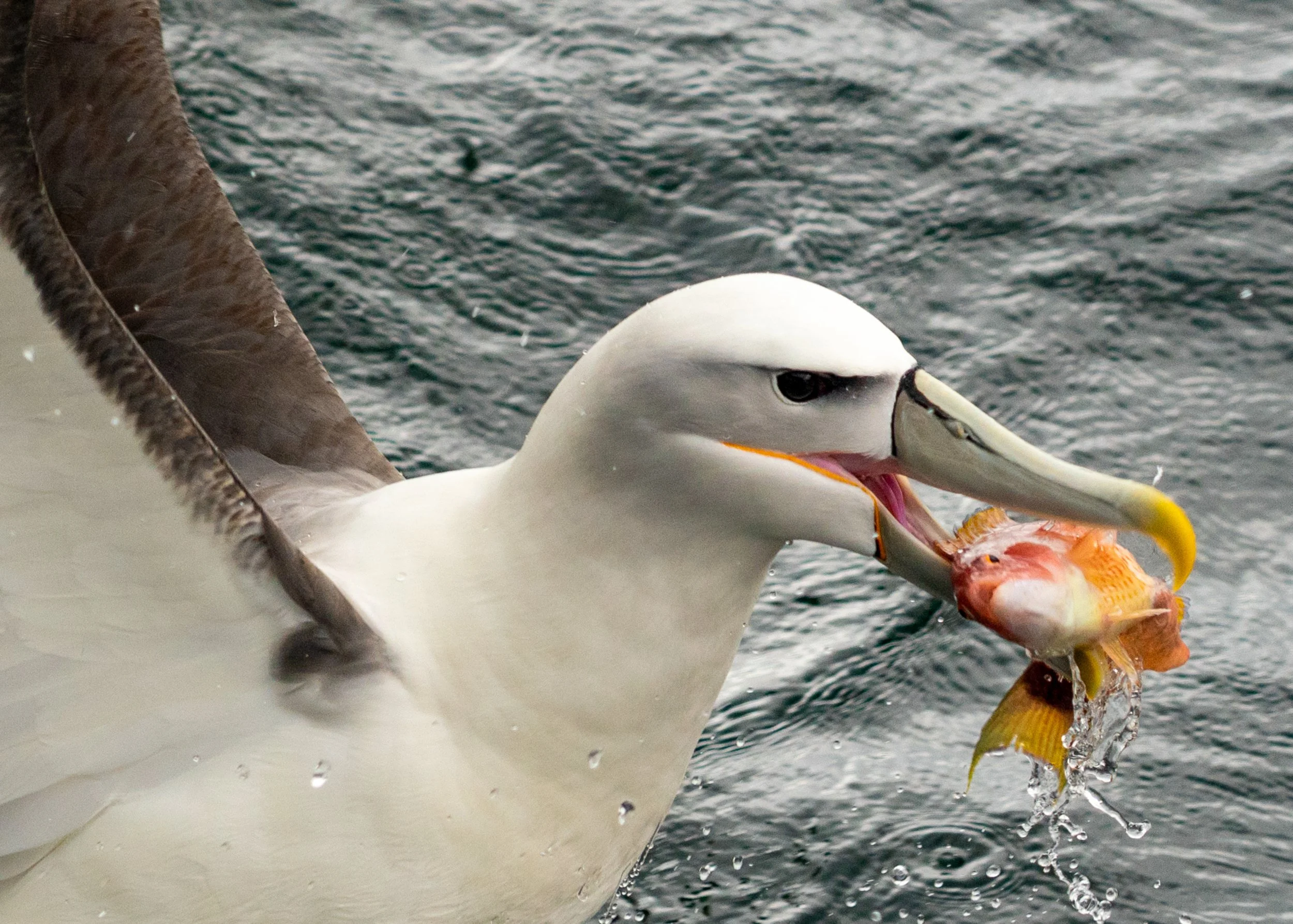
Black-browed Albatross Named for the distinctive dark plumage above their eyes, the Black-browed Albatross is a common yet striking resident of the southern oceans. They are highly social when feeding but return to remote, windswept cliffs in places like the Falkland Islands to raise a single chick—a process that involves a lifelong commitment to their mate.
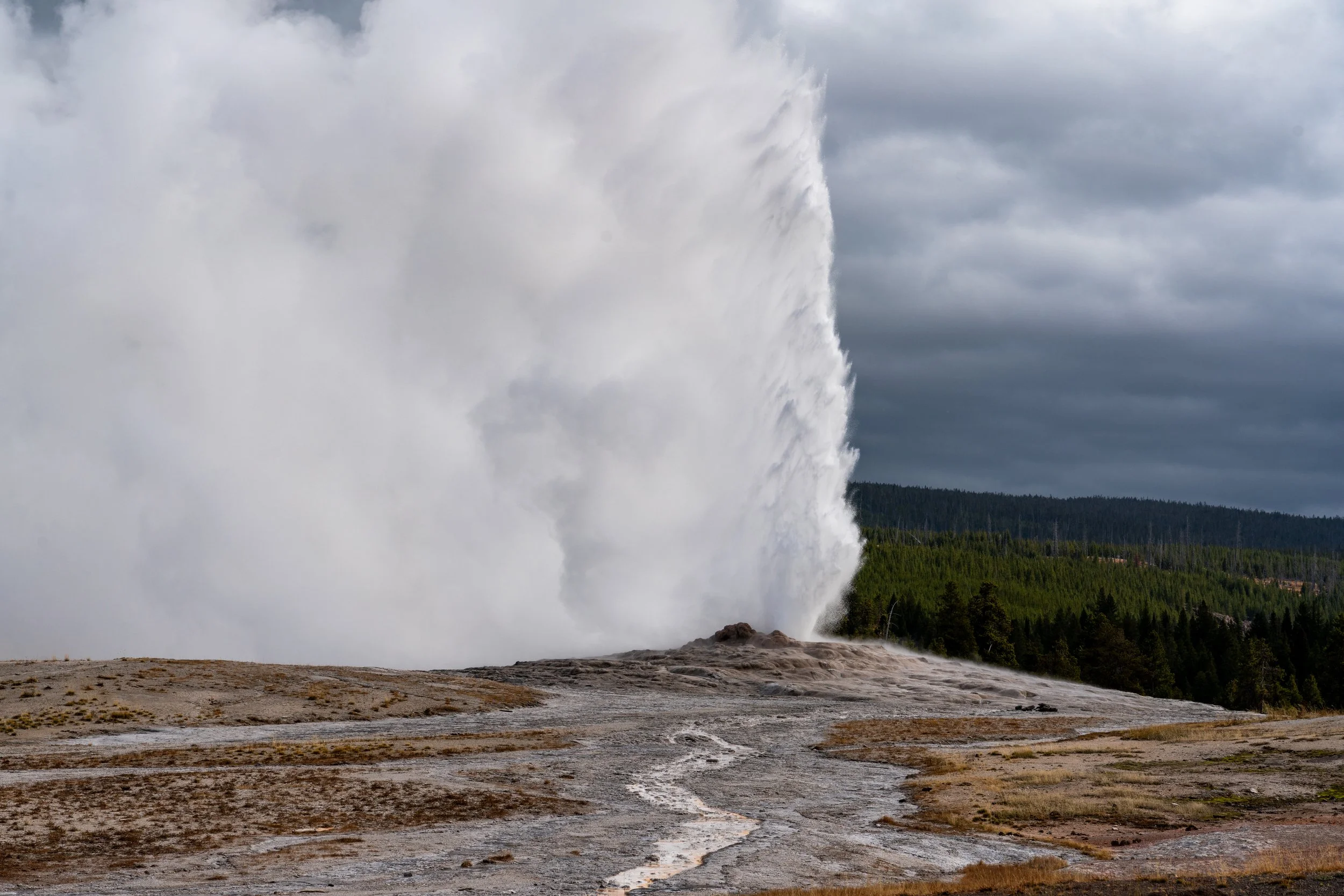
Old Faithful A powerful eruption of Yellowstone’s most iconic hydrothermal feature. This geyser earns its name by erupting with remarkable consistency, shooting thousands of gallons of boiling water up to 180 feet into the air. This shot captures the raw steam and force of the Upper Geyser Basin, showcasing the geothermal energy that sits just beneath the surface of the world's first national park.
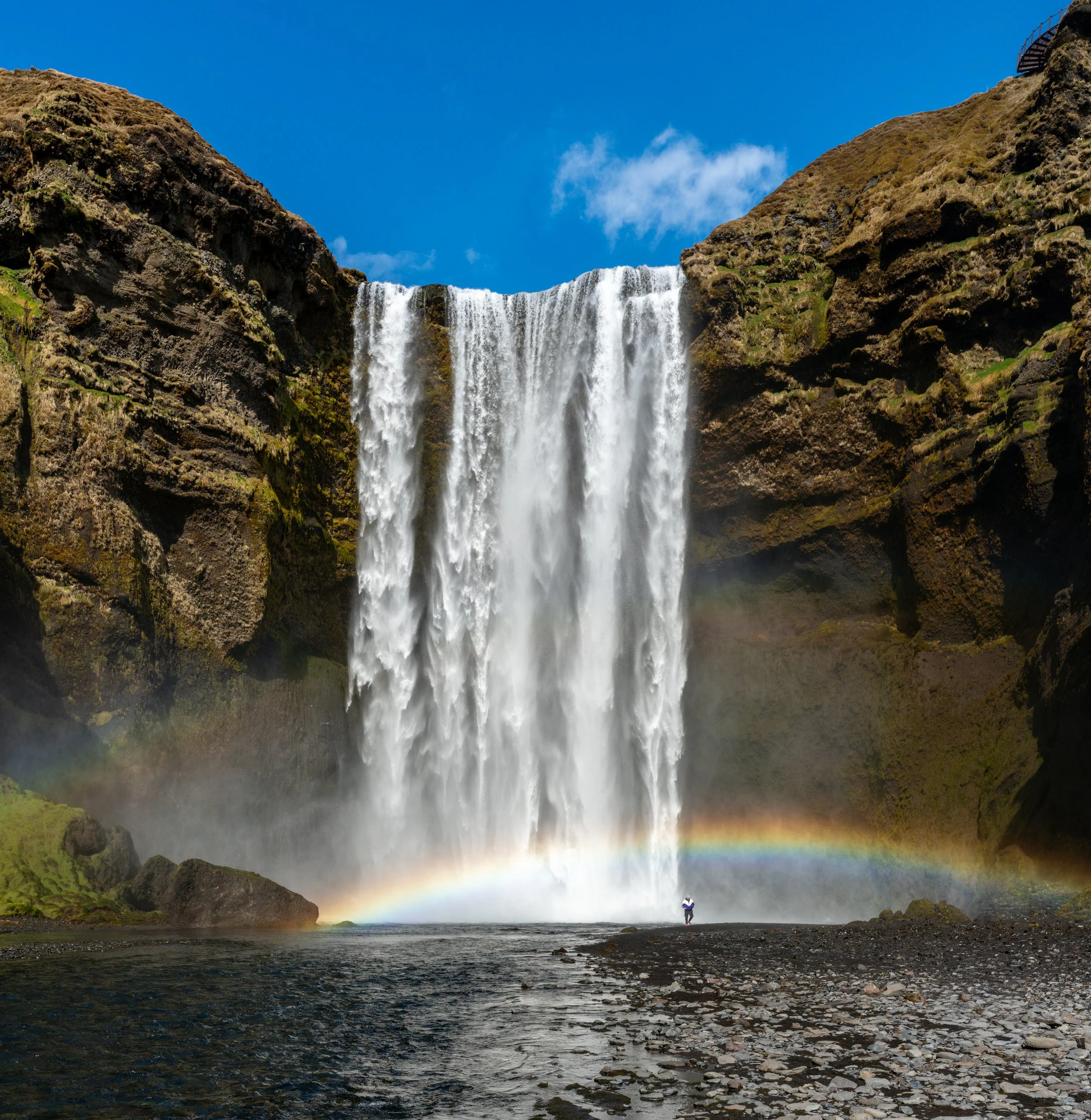
Skogafoss Rainbow One of Iceland’s biggest waterfalls, Skógafoss drops a massive curtain of water over 200 feet into the Skógá River. Because of the heavy amount of spray the waterfall consistently produces, a rainbow is often visible on sunny mornings. This shot captures the perfect alignment of light and mist, creating a vivid arc over a fellow nature lover.
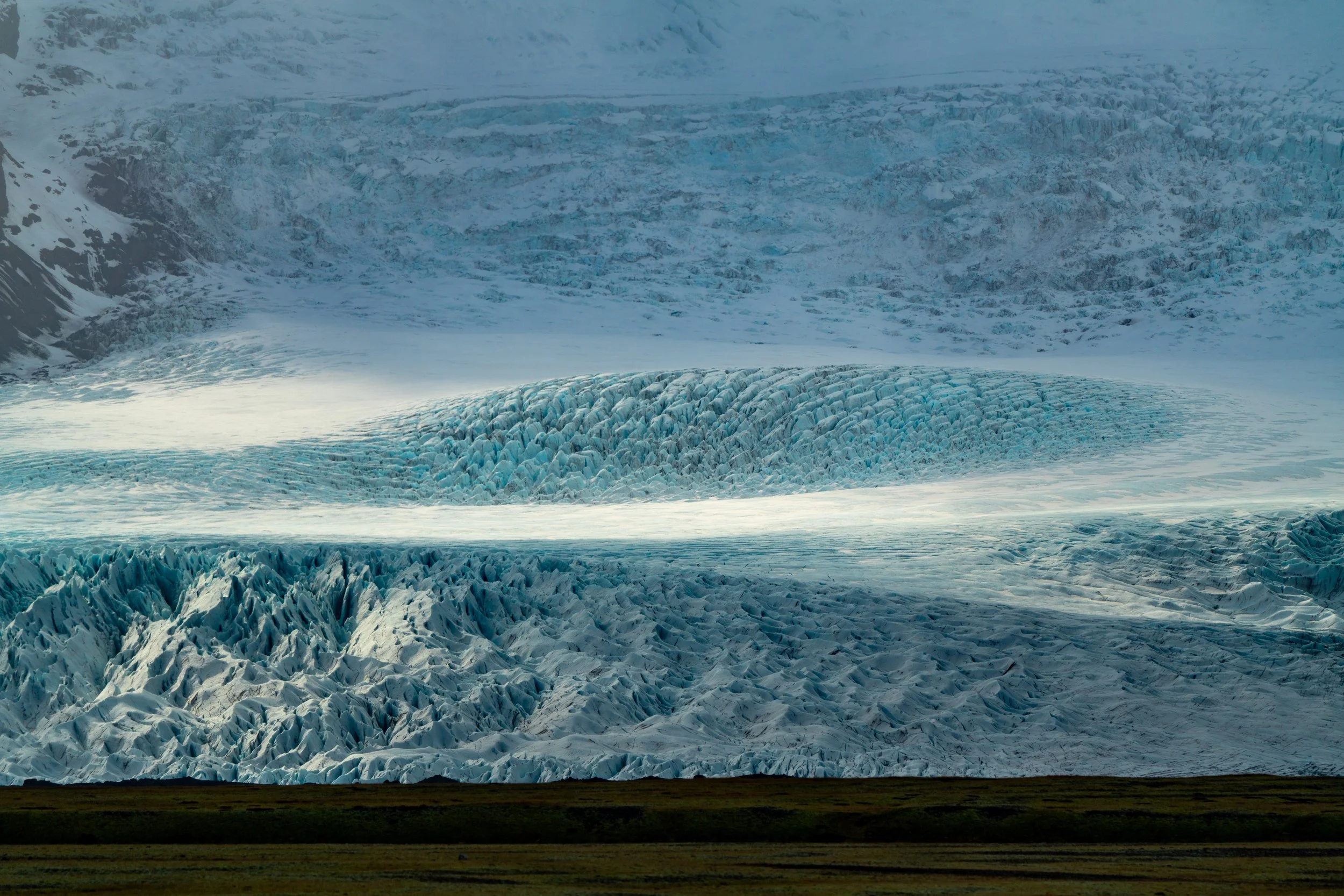
The Edge of the Ice Cap A sweeping view of a glacial tongue as it descends from the Vatnajökull ice cap. The deep blue fissures and crevasses visible in the ice are the result of immense pressure and the slow, relentless movement of the glacier over the rugged volcanic terrain.
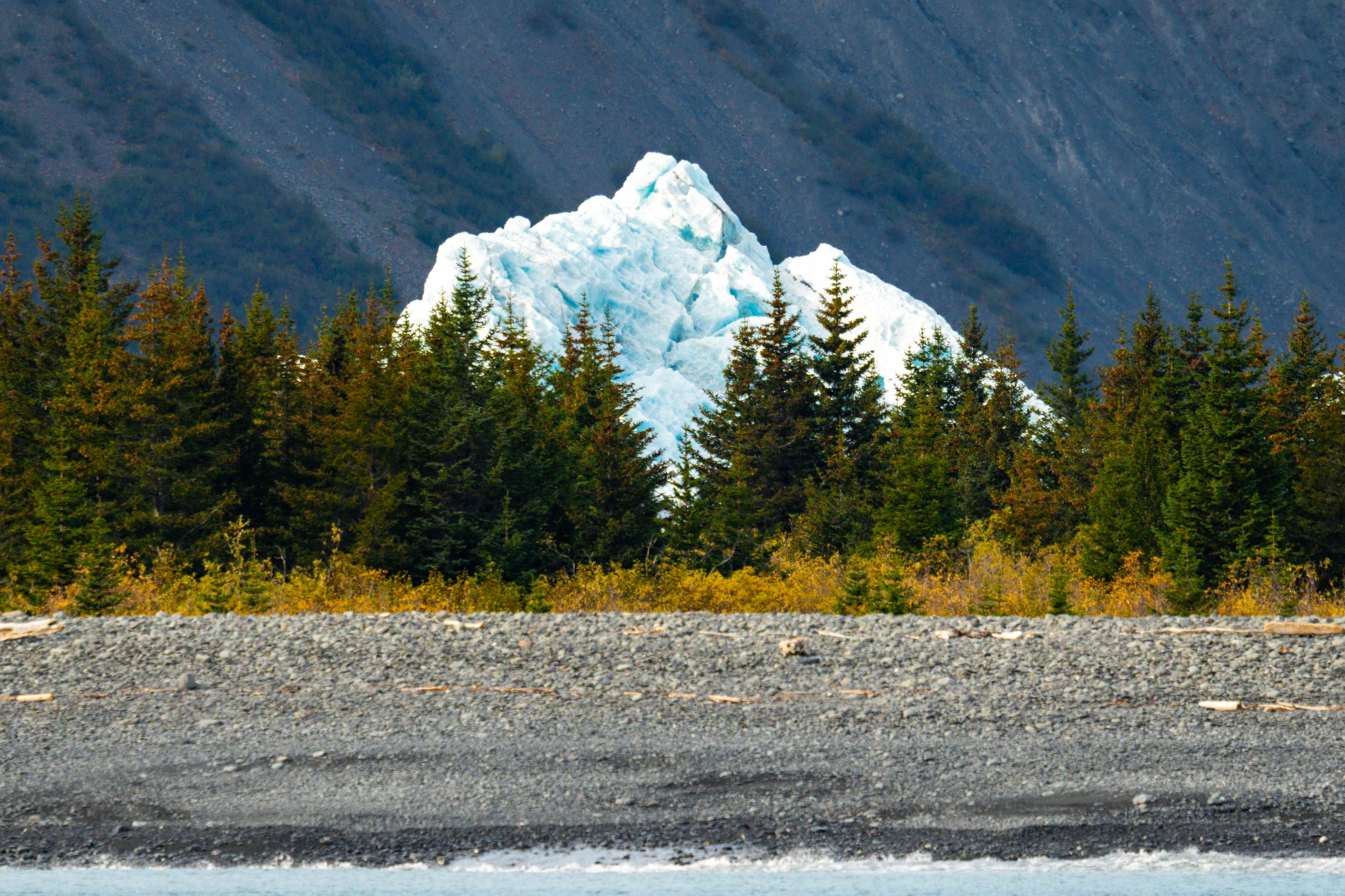
The Heights of Kenai A massive tidewater glacier looms over the dense spruce forests of Kenai Fjords National Park. This rugged Alaskan wilderness is where the ice age still lingers, as dozens of glaciers pour down from the Harding Icefield into the sea. This shot captures the stark contrast between the vibrant green of the summer temperate rainforest and the cold, brilliant white of the ancient ice above.
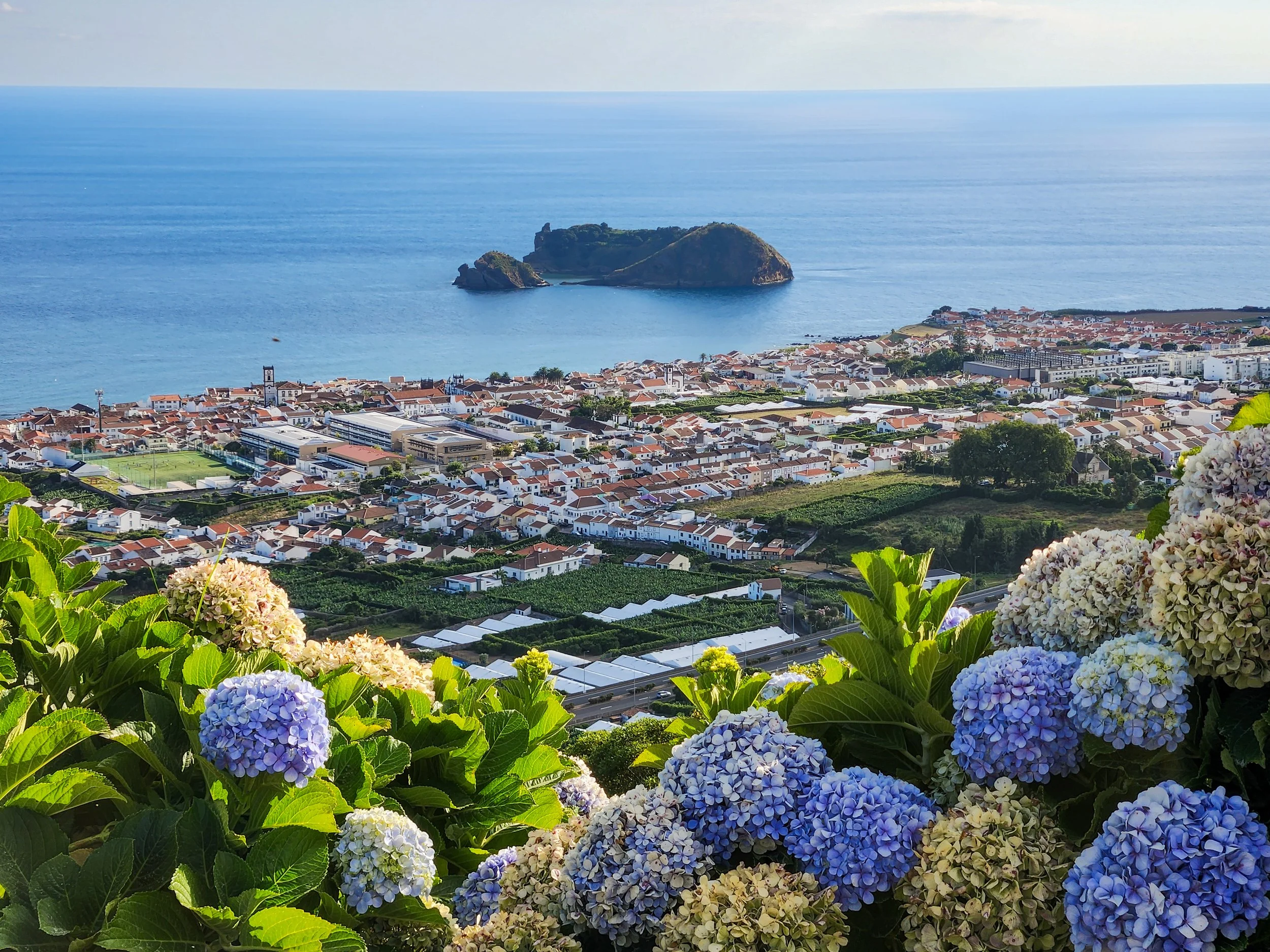
Blue Summer in the Azores A classic Azorean vista from the heights of São Miguel, where the island’s signature blue hydrangeas frame the Atlantic horizon. Below lies Vila Franca do Campo, the island's former capital, and its famous volcanic islet. The volcanic soil and humid Atlantic air create the perfect conditions for these flowers to bloom in such intense shades, earning São Miguel its nickname: "The Green Island."
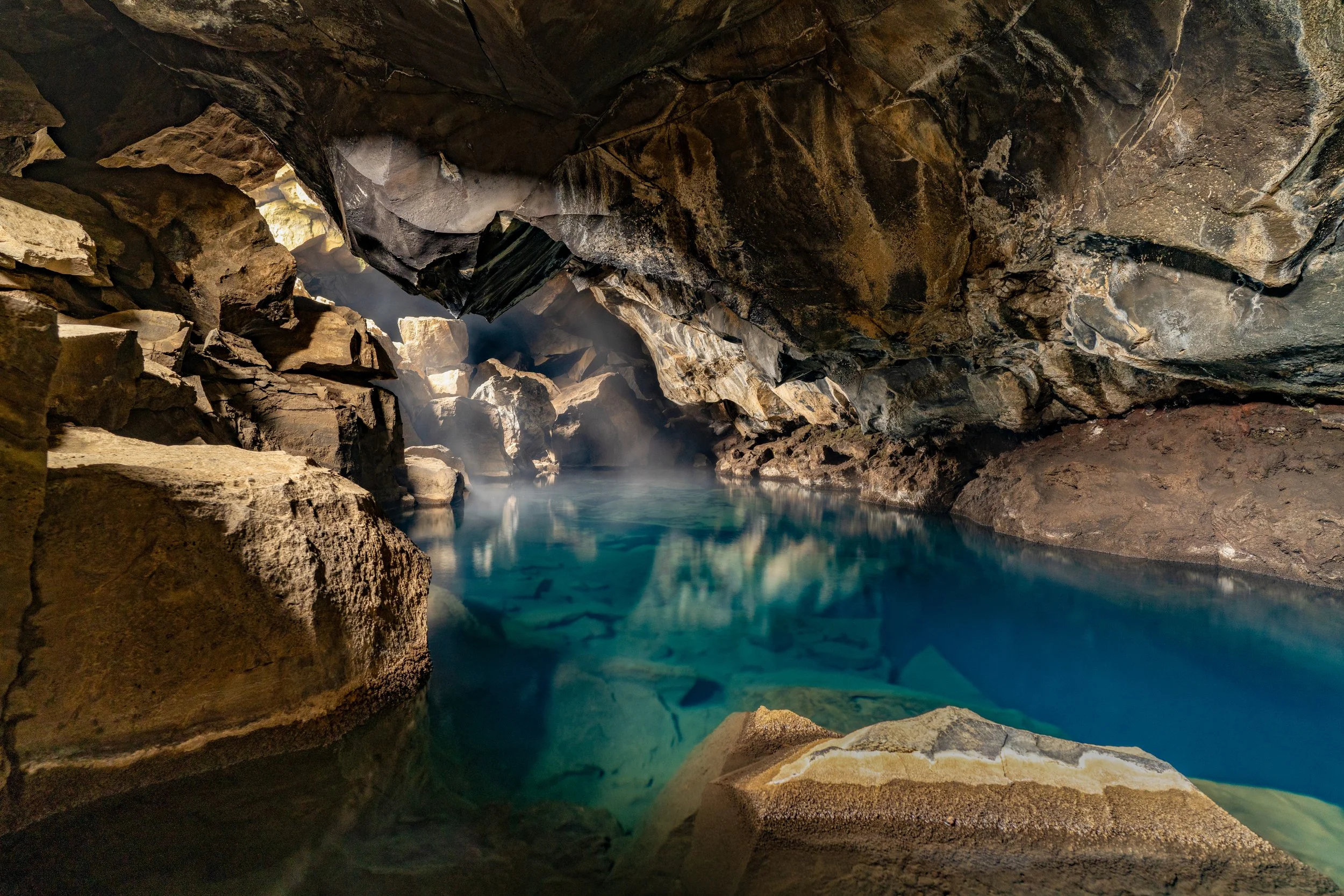
A Cave in Iceland This hidden cave is a fissure in the earth's crust formed by volcanic activity. It has a geothermal hot spring that used to be an outlaw's hideout and later a local bathing spot.
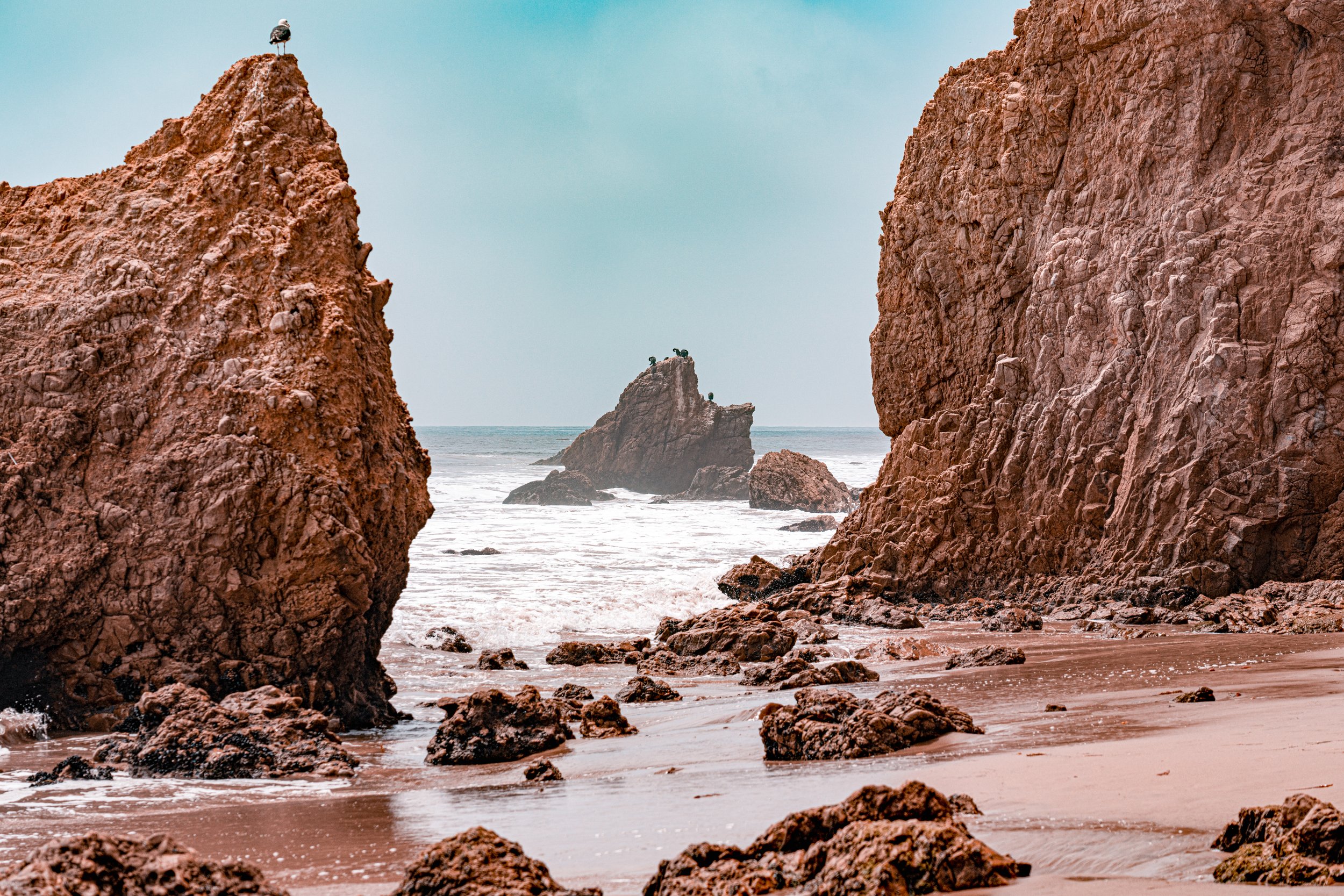
The Sea Stacks of Malibu Jagged rock formations, or "sea stacks," rise dramatically from the sands of El Matador State Beach. These monolithic structures are the remnants of ancient cliffs, eroded over millennia by the relentless pounding of the Pacific. This shot captures the rugged, untamed beauty of the Malibu coast, where deep sea caves and towering pillars create a landscape that feels worlds away from the nearby city.
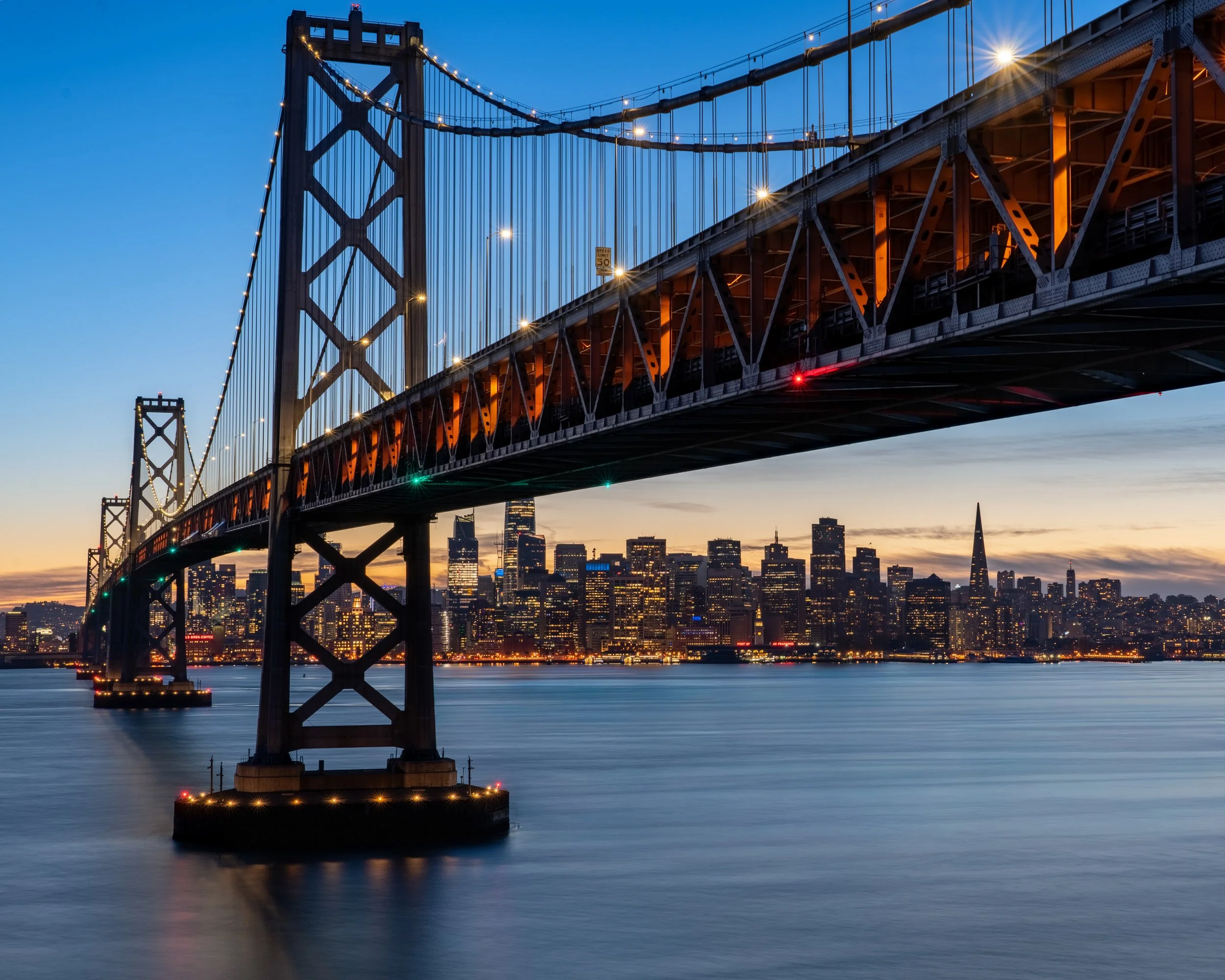
Across The Bay An early evening view of the Bay Bridge stretching from the Yerba Buena Island toward the San Francisco skyline. While often overshadowed by its orange neighbor to the west, the Bay Bridge is a marvel of engineering, carrying over 260,000 vehicles a day. This shot captures the "Bay Lights" installation and the shimmering reflection of the city’s financial district on the waters of the bay.
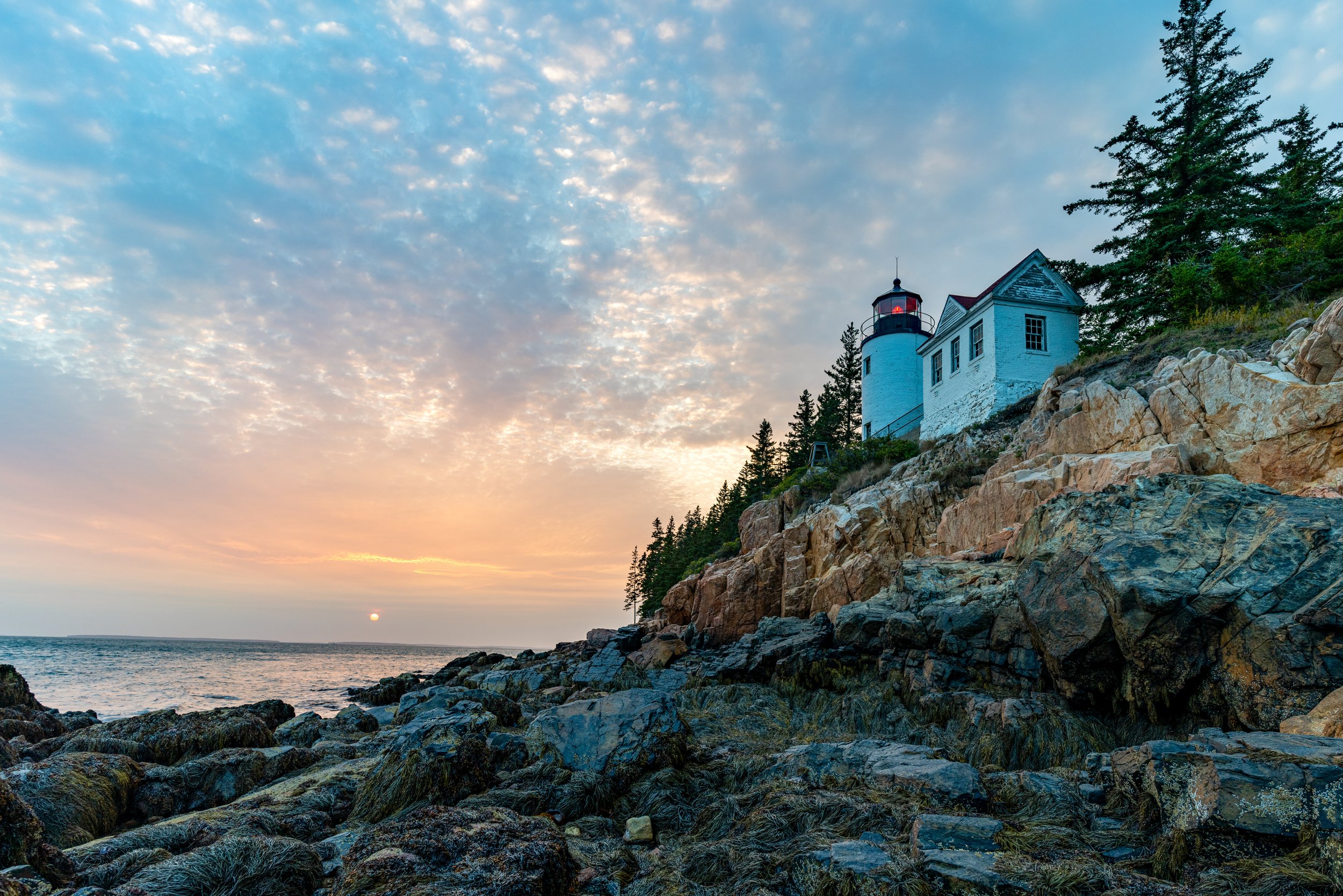
Acadia Perched on a rugged granite cliff on the quiet side of Mount Desert Island, the Bass Harbor Head Light Station has guided mariners into Blue Hill Bay since 1858. This shot, taken from the rocky shoreline below the station, captures the 32-foot brick tower bathed in the warm glow of a Maine sunset. It remains a timeless symbol of New England’s maritime heritage.
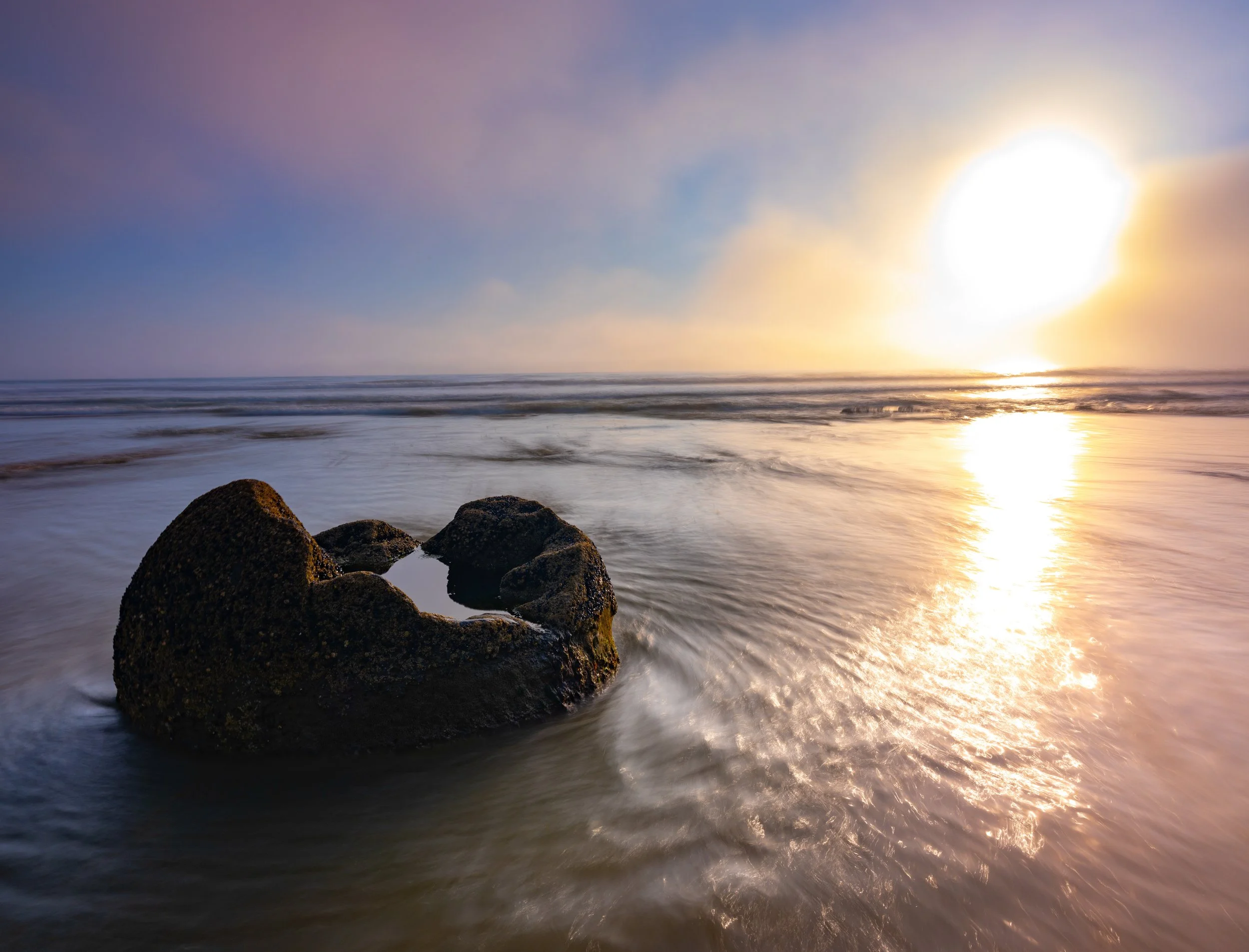
The Spheres of Moeraki Scattered along the Koekohe Beach on New Zealand's Otago coast, these spherical boulders are a geological phenomenon. Known as septarian concretions, they formed in ancient sea floor sediments approximately 60 million years ago. This sunrise shot captures the golden light reflecting off the "turtle-shell" patterns of a partially submerged boulder, revealing the calcite crystals that have filled the cracks over eons.
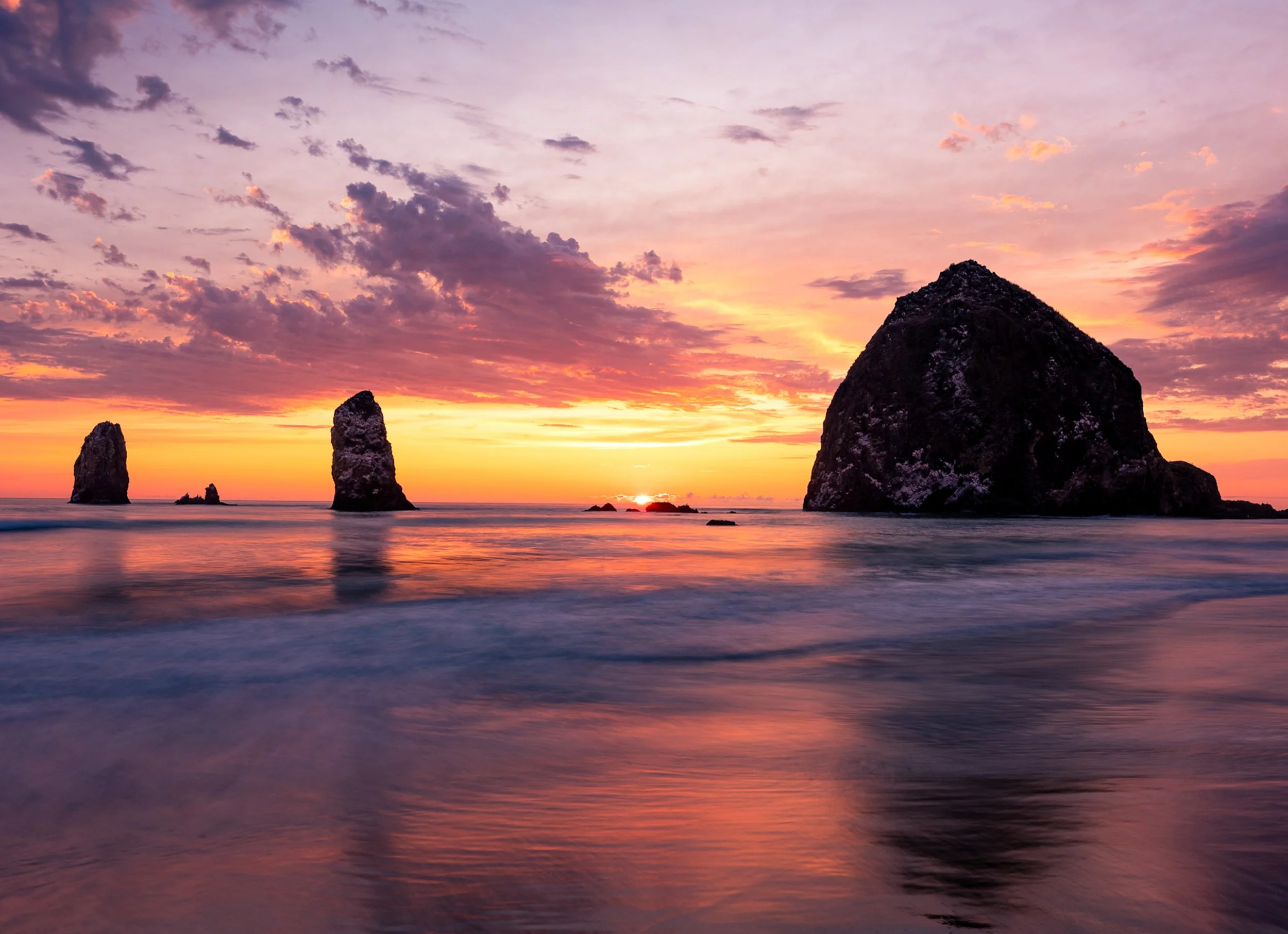
Sunset among Seastacks As the sun dips below the horizon, the silhouettes of ancient sea stacks emerge against a burning sky. These rugged formations are geological survivors, composed of harder rock that resisted the relentless erosion of the Pacific’s tides. This shot captures the fleeting "golden hour" where the retreating tide creates a mirror-like finish on the sand, doubling the intensity of the coastal sunset.